Reliable General Contractor: Turning Dreams Into Actuality
A trusted general contractor is vital in converting architectural concepts into physical structures. Through handling timelines and budgets, they ensure projects advance efficiently. Their expertise fosters a collaborative environment, necessary for reducing risks. Nonetheless, not all contractors are created equal. Knowing how to determine the right one is crucial for any successful project. What essential qualities should one seek, and how can they shape the overall outcome?
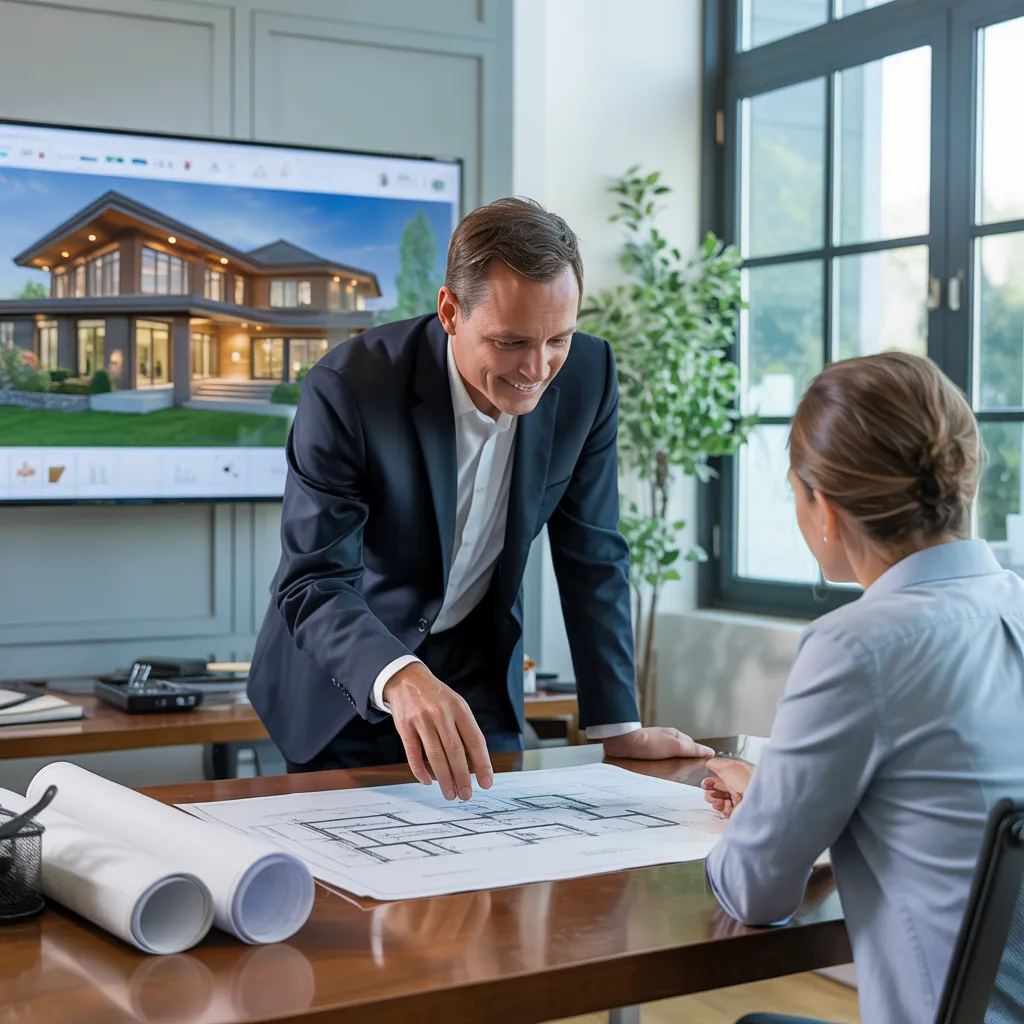
What Techniques Help You Identify a Dependable General Contractor?
Can a person assess the trustworthiness of a general contractor? Assessing a contractor's reputation proves to be essential. An efficient approach is to request recommendations from loved ones and internet-based reviews, which supply insights regarding historical results and patron contentment. In addition, verifying licenses and insurance coverage guarantees that the contractor adheres to professional norms and protects against potential liabilities. Inspecting completed projects, by reviewing work samples or on-site inspections, helps you to evaluate the quality of their workmanship.
Furthermore, collecting multiple proposals supports assessment of pricing and project timelines, bringing to light any discrepancies that may indicate unreliability. Effective communication is also crucial component; a trustworthy contractor should be responsive and straightforward in their dealings. Finally, reviewing references can furnish valuable insights about a contractor's dedication to excellence and reliability. By following these steps, one can reach sound decisions when appointing a construction contractor for building projects.
Core Capabilities of a Accomplished General Contractor
An exceptional construction professional demonstrates critical attributes that confirm successful project completion. Strong communication skills enable transparent communication with clients, subcontractors, and vendors, while established track record in project oversight ensures on-time and cost-effective completion. These attributes are crucial in transforming a vision into reality.
Strong Dialogue Skills
While effective project management is essential for a general contractor, powerful communication skills often serve as the base for successful collaborations. These abilities allow a contractor to articulate project goals clearly, guaranteeing that all team members and stakeholders are in sync. Clear communication builds trust, enabling for transparent discussions concerning timelines, budgets, and changes. A good general contractor genuinely hears clients, subcontractors, and suppliers, resolving issues promptly and responding to feedback. This two-way dialogue not only improves issue resolution but also creates a positive working environment. Additionally, clear communication prevents misunderstandings, which can lead to costly delays or errors. Ultimately, powerful communication skills empower a general contractor to manage obstacles effectively, guaranteeing that projects progress smoothly from inception to completion.
Verified Project Management Competence
Showing verified project management experience is critical for any general contractor pursuing success. Effective project management includes thorough planning, resource allocation, and timeline adherence. A seasoned contractor shows an ability to coordinate various teams, making sure architects, engineers, and subcontractors work together smoothly. Moreover, they expertly navigate challenges, using problem-solving skills to keep projects on track and within budget. Their experience helps them foresee potential issues, reducing risks before they develop. In addition, strong project management promotes transparency, allowing clients to remain informed throughout the construction process. By focusing on quality control and following safety standards, a general contractor with proven experience not only produces outstanding results but also fosters lasting relationships rooted in trust and reliability.
The Benefits of Employing a Reliable General Contractor
Engaging a reliable building contractor delivers major perks in any construction project. Their skills and track record assure that tasks are executed to high get details on this standards, while also enhancing time and cost efficiency. This blend allows individuals and organizations to focus on their vision without the anxiety of handling logistics.
Expertise And Experience
Hiring a qualified general contractor adds a rich reservoir of skill and know-how to any building project. Their complete understanding of building codes, regulations, and industry standards ensures that each part of the construction process is compliant and effective. Experienced contractors have fine-tuned their abilities through various projects, enabling them to detect possible issues and formulate practical solutions. Their established connections with subcontractors and suppliers additionally enhance the quality of materials and workmanship. Moreover, a proven general contractor shows robust project management capabilities, overseeing timelines, budgets, and resources efficiently. This know-how not only minimizes risks but also builds a cooperative environment, transforming a client’s vision into a concrete outcome while maintaining high standards across the entire construction process.
Schedule and Cost Efficiency
A dependable general contractor greatly enhances time and cost efficiency in construction projects. Through coordinating different subcontractors and suppliers, they optimize workflows, minimize delays, and guarantee completion of tasks as scheduled. Because of established industry relationships, they often secure better pricing on materials and labor, cutting down total project costs. In addition, a competent contractor preemptively spots potential problems, allowing for quick solutions that avert costly setbacks. With their project management expertise, they ensure effective resource allocation so that labor and materials are utilized efficiently. Ultimately, hiring a trustworthy general contractor not only expedites project timelines but also safeguards the budget, providing clients with peace of mind and confidence in their investment.
Making Your Task More Efficient With a Building Professional
Effective project oversight often relies on the expertise of a general contractor. By serving as the central coordinator in the construction phase, a general contractor administers various elements of the project, ensuring seamless communication among subcontractors, suppliers, and clients. This connected approach minimizes delays and reduces the possibility of miscommunication, which can lead to expensive difficulties.
A general contractor streamlines the framework by establishing explicit timelines and schedules, letting all members to stay aligned with project checkpoints. They also possess the knowledge to anticipate hurdles, promoting proactive solution finding. In addition, they manage permits and inspections, alleviating the strain on clients and ensuring compliance with local regulations.
In the final analysis, the involvement of a experienced general contractor transforms complex projects into manageable tasks, enabling homeowners and developers to focus on their vision while maintaining peace of mind throughout the construction process. This partnership fosters a more effective and successful project outcome.
Top 5 Pitfalls to Prevent When Engaging a Contractor
How can homeowners make certain they pick the right contractor for their project? Steering clear of common pitfalls is essential. First, homeowners should steer clear of choosing a contractor solely based on the lowest bid. Quality often comes at a price, and a low estimate may indicate inadequate experience or hidden costs. Second, omitting check references can lead to selecting someone unreliable or unreliable. Third, neglecting to verify licenses and insurance can expose homeowners to legal and financial liabilities. Fourth, not reviewing project timelines in detail may result in unexpected delays and frustrations. Ultimately, homeowners often overlook the importance of clear communication. A contractor who doesn't listen to concerns or provide updates can generate misunderstandings. By steering clear of these mistakes, homeowners can enhance their chances of selecting a contractor who will effectively bring their vision to life.
Key Inquiries to Consider Before Executing a Agreement?
What important inquiries should property owners consider before entering into a agreement with a service provider? First, they should inquire about the contractor's licensing and insurance status. Valid credentials protect homeowners from possible liabilities. Next, requesting references and reviewing past projects can offer insight into the service provider's dependability and quality of work. Homeowners should also discuss timelines—understanding the projected start and completion dates is essential for planning.
Moreover, making clear payment terms is important; homeowners must learn the deposit required and the schedule for subsequent payments. Moreover, homeowners should investigate what will result if surprise complications surface during the project, including change orders and how they will be handled. In the end, learning warranty provisions on both workmanship and items can provide peace of mind. By considering these points, homeowners can make informed decisions and construct a sturdy foundation for their project.
Creating a Enduring Bond With Your General Contractor
Creating a meaningful connection with a general contractor can greatly enhance the overall experience of a home construction or renovation project. Strong dialogue is the cornerstone of this relationship, building trust and transparency. Homeowners should prioritize candid communication, discussing goals, timelines, and spending limits early in the undertaking.
Ongoing check-ins and updates can help resolve issues promptly, verifying that both parties stay coordinated throughout the project. Additionally, acknowledging the contractor's expertise can strengthen mutual respect and encourage a collaborative atmosphere.
Adaptability is also important; understanding that challenges may emerge can facilitate solution-finding and adaptation. A positive rapport can lead to superior quality work, as contractors are more inclined to dedicate additional effort when they sense appreciation. In the end, a enduring relationship with a general contractor not only contributes to a thriving venture but can also generate opportunities for future collaborations.
Frequently Requested Questions
How Do General Contractors Manage Unexpected Project Changes?
General contractors handle unexpected project changes by evaluating the situation, informing relevant parties, modifying schedules and financial allocations, and deploying corrective measures. Adaptability and analytical abilities are vital in keeping projects progressing smoothly despite unexpected obstacles.
What Forms of Works Do General Contractors Generally Control?
General contractors habitually oversee an array of endeavors, including residential renovations, commercial construction, infrastructure creation, and tailored implementations. Their expertise includes synchronization, budget management, and scheduling, confirming project accomplishment within diverse construction methodologies and varying levels of difficulty.
What Is the Process of Payment Schedules When Working With a General Contractor?
Payment schedules with a general contractor typically involve initial payments, succeeded by installment payments linked to project milestones. Final payments take place upon project completion, ensuring both parties remain aligned on monetary obligations throughout the construction process.
Will a construction professional Help With Permits and Regulations?
A construction professional can definitely support in managing licensing and regulatory requirements. They typically address local building codes, submit necessary paperwork, and maintain regulatory adherence, reducing complexity for clients and preventing costly regulatory complications.
What comes about if the venture exceeds the Initial cost estimate?
If a project exceeds the initial budget, the builder typically communicates the reasons for the increase. They may suggest modifications, obtain customer consent, and explore budget-reducing alternatives to maintain the project on track.